
C.W.Holeman III
- Author ⥄ Personal
-
☰
- Myself
- About
- Contact
- Hire Me
- Blog
- Creative
- Literature
- Recipes
- Photography
- Art
- Games
- Code
- General
- Holeman Simplified Systems
- Wish List
-
Δ External Links

HST Clock
LOADING HST TIME
Books in Progress
 Outline
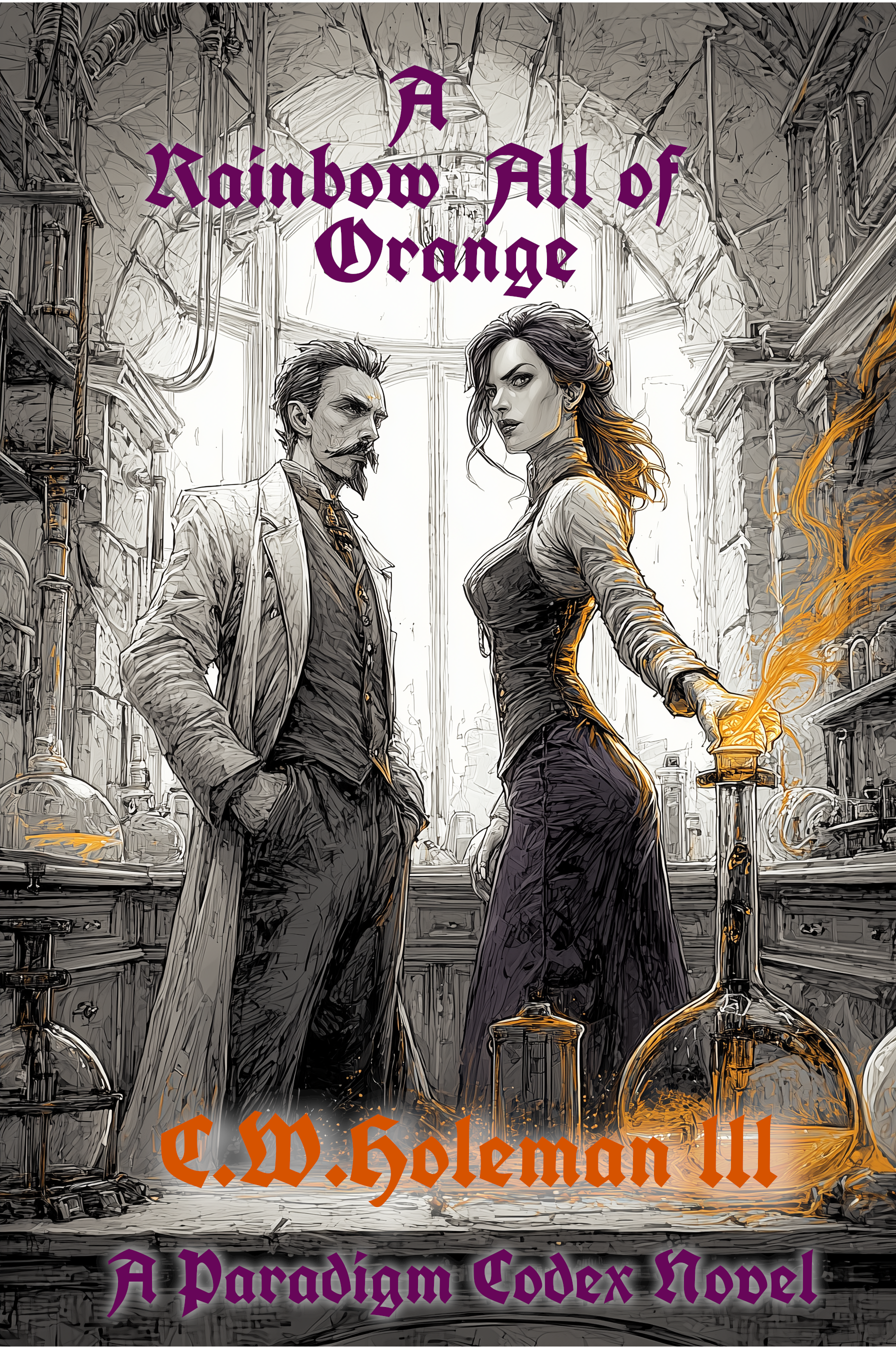


 Beta Reads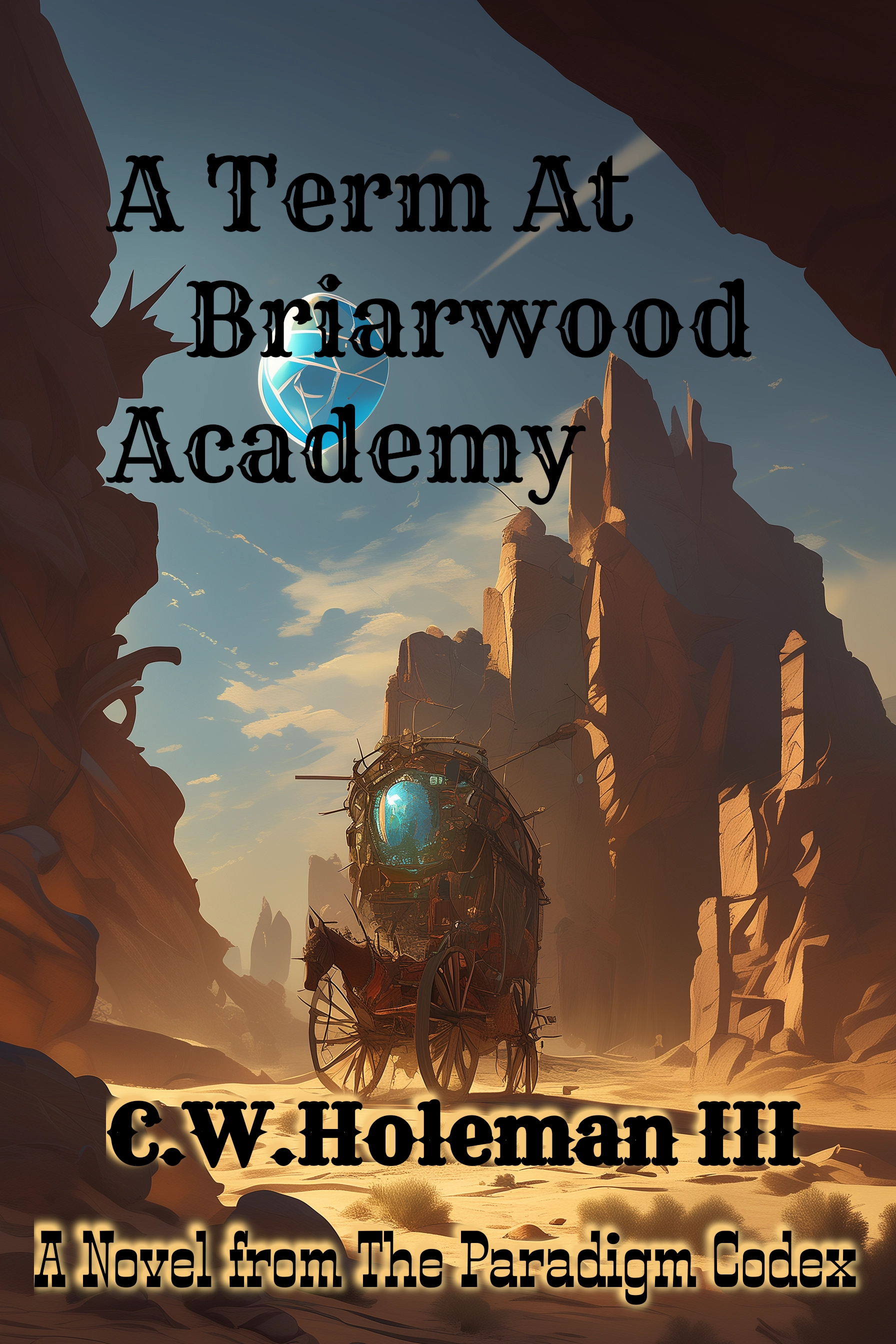
 Querying
Random Quote
Joke of the Week
There are only 10 kinds of people in the world: Those who know binary, and those who don't.
Holeman Improved English
Use this tool to convert from the Archaic English Alphabet to the Holeman Improved English alphabet. In a future version it will also be able to execute the full conversion of spellings, and not just a direct transliteration.
A2H Transliterator

View on Wiki
Conversion Tables
| HIEA | AEA | Name | IPA | Method | Sample | Listen |
|---|---|---|---|---|---|---|
| Vowels | ||||||
 , ,  | a | Ay | eɪ | a | Say | |
 , ,  | a | Alŋ (Alng) | æ | a` | Cat | |
 , ,  | a | Awŋ (Awng) | ɑ,ɔ,ə | a~ | Father, Daughter | |
 , ,  | e | Ee | i | e | See | |
 , ,  | e | Eeŋ (Eeng) | ɛ | e` | Red | |
 , ,  | i | I | aɪ | i | I, My | |
 , ,  | i | iyŋ (Iyng) | ɪ | i` | Fish | |
 , ,  | o | Oh | oʊ | o | Go | |
 , ,  | o | Oŋ (Ohng) | ʊ | o` | Look | |
 , ,  | u | Yu | u | u | Zoo | |
 , ,  | u | Yuŋ (Yung) | ʌ | u` | Cup | |
| Consonants | ||||||
 , ,  | b | Bee | ||||
 , ,  | d | Dee | ||||
 , ,  | f | Eff | ||||
 , ,  | g | Gee | ||||
 , ,  | h | Haitch | ||||
 , ,  | j | Jay | ||||
 , ,  | k | Kay | ||||
 , ,  | l | Ell | ||||
 , ,  | m | Em | ||||
 , ,  | n | En | ||||
 , ,  | p | Pee | ||||
 , ,  | r | Ar | ||||
 , ,  | s | Ess | ||||
 , ,  | t | Tee | ||||
 , ,  | v | Vee | ||||
 , ,  | w | Double-U | ||||
 , ,  | y | Wy | ||||
 , ,  | z | Zed | ||||
 , ,  | ch | a (cha) | ||||
 , ,  | sh | a (sha) | ||||
 , ,  | th | orn (thorn) | ||||
 , ,  | ng | Eŋma (Engma) | ||||

Punctuation Marks
General Punctuation Marks
For additional clarity, HIE 1.0 formally recognizes the Interrobang, "‽", along with utilizing the following unique punctuation marks. These additional symbols are extreamily helpful when communicating in a purly written form to avoid the reader from misconstruing the feeling behind your statements without being forced into using emoji, which are considdered unprofessional in many environments.
- Positron ⊕ (General Positive Exclamation - excited, etc.)
- Negatron ⊝ (General Negative Exclamation - nervous, etc.)
- Interrobang ‽ (Exclamatory question)
- Barb ⥌ (Sarcasm)
- Cloud ߷ (Apology, regret)
- Ankh ☥ (Joy, happiness)
- Tear ⫯ (Sadness/Grief)
- Diamond ⋄ (Joking)
- Rage ♮ (Anger)
- Tremor ⨔ (Fear)
Context Marks: ⌜ and ⌟
The Context Marks ⌜ and ⌟ are optional unvoiced undertones. They indicate the manner of speech. They are limited to one word, and are used at the start of a sentence.
Example: "⌜confused⌟ Go away."
Example: "⌜decisive⌟ Go away."
Titles: 《 , 》
The Title Marks 《 , 》are borrowed from Chinese. They are used to identify a title, newspaper name, file name, opera name, song name, picture name, book name, the name of film and television programs, etc.
Example: The book, 《The Hobbit》 was written by J.R.R.Tolkien.
Certitude Marks: ∵ & ∴
Certitude Marks come in two forms: ∴ (Certainty), and ∵ (Uncertanty). They are unvoiced in reading. They indicate the certainty of the writer.
Example #1 ∴Jon is a liar.∴ This this indicates that the writer/speaker is utterly certain of the fact that Jon tells lies.
Example #2 "Jon is a liar." This carries no qualifications or knowledge about writer/speaker's knowledge of Jon's honesty.
Example:3 ∵Joh is a liar.∵ This this indicates that the writer/speaker is doubtful, and the sentence carries little weight.
Combined Punctuation Example
Jill grinned at him, "⌜flirtatious⌟ Go away⋄"
Jon responded, "I knew you didn't like me⨔ I... I'll go߷"
"Wait⊝ Surely you knew I was kidding‽ ⌜earnest⌟ I love you, Jon! Don't go⫯"
Jon stared at her a moment, then blinked. ∴You toy with my emotions, Jill♮ You know I am so very good at reading other people's emotions that you play your little games with my heart⥌ ⌜loud⌟ No longer⊝∴ Jack stormed out the door.
Special Modifier Glyphs
Pluralization & Possessive
- Plural: ⋺. (The Plah).
Example: Boxes = Box⋺. Oxen = Ox⋺. Geese = Goose⋺. Things = Thing⋺. {Thingplah} - Possessive: ⋒. (The Poh).
Example: Alexsis' = Alexis⋒. John's = John⋒. {Johnpoh}
In the case of both pluralization and possessive, the sequence is pluralization then possessive: ⋺, ⋒.
Tenses
- Past Tense: ⊣. Sound, "pah."
Example: "I called the store" = "I call⊣ the store." {callpah} - Future Tense: ⊢ Sound, "fu.
Example: "I will call the store" = "I call⊢ the store." {callfu}
Gender
- Male: ♂.
Example: "A man ran." = "A ♂ ran." - Female: ♀.
Example: "Three girls." = "Three ♀⋺." - Mixed group, Males & Females: ⚥.
Example: They went on a date. = "⚥⋺ went on a date." - Unknown Gender: Use {person}.
Example: Some people went to the store. = "Some {people} went to the store. "
Usage of Numbers and Other Punctuation
Use of numbers in sentances is considdered ideal, unlike Archaic English. For
Example:
"I love all 3 of those cars." vs "I love all three of those cars."
- Go to print friendly version of page.
- Modified: (loading.....)
-
Hits.
- Contact Me.
- Some Icons by icons8.com